Working exhibit / real assets to AI power

How land, real estate, oil, and gas become energy for AI data centers

The AI buildout is not only chips and software. It is a conversion chain: site control becomes grid access, fuel becomes dispatchable electricity, electricity becomes protected facility power, and protected power becomes GPU compute.

Executive summary / scan in 15 seconds

AI data center feasibility is a capital allocation problem

The model screens whether a site can become bankable AI capacity by tying together grid certainty, fuel and generation, long-lead procurement, cooling, offtake economics, financing, geopolitical risk, comparable transactions, and the exact assumptions still missing.

Model version

  • vModel v0.7Single-file institutional prototype, updated 05/2026.
  • !LimitationsNot legal, engineering, investment, tax, utility-binding, or procurement advice.

Suggested workflow

  • 10 minScreen a site: power deliverability, PUE, CapEx/MW, schedule, fragile variable.
  • 30 minPressure-test the deal: DSCR, break-even GPU pricing, utilization, PPA exposure, lead-time slip.
  • 2 hrPrepare for IC: assumptions, show-math, diligence checklist, comparable deals, stress tests.

Decision posture

  • Base caseGiven current assumptions, what is the modeled project?
  • Risk caseGiven external friction, what is the likely energized, financed project?
  • Failure caseWhich constraint kills the deal first: grid, transformer, water, offtake, debt, or politics?

Attribution

  • AuthorPrepared as a Taiwan Infrastructure Sunday Session exhibit for analyst review.
  • UseEarly-stage site screening, memo prep, and conversation framing with utilities, EPCs, lenders, and suppliers.
  • Nextv2 live feeds: FERC RSS, ERCOT/EIA APIs, OEM lead-time feeds, NOAA climate, GIS layers.
Land Becomes valuable when it can host power, fiber, cooling, security, and expansion.
Gas Becomes electricity through utility plants, IPPs, or dedicated on-site generation.
Oil Shows up mostly as diesel backup, logistics fuel, and industrial supply-chain support.
Compute The final monetized product is reliable GPU capacity sold to AI users.

Interactive model / raw inputs to usable compute

Pick the raw materials and watch the energy chain move

This is a rough strategic simulator, not an engineering model. It shows how fuel, land, grid access, backup fuel, and facility design combine into usable AI data center power.

Natural gas feedstock

Pipeline gas or LNG available for dispatchable generation.

60 MMcf/day

Diesel backup inventory

Fuel stored or contracted for emergency generation.

180k gal

Solar-ready land

Nearby land that can support solar generation or a solar PPA proxy.

120 acres

Grid interconnection

The hard cap from utility allocation, substation capacity, and feeder path.

75 MW

AI rack design load

Average power per liquid-cooled AI rack, including facility design assumptions.

120 kW/rack

Materials inside the data center

Select materials to see how they change reliability, power conversion, cooling, compute readiness, and construction feasibility.

Assumptions: gas heat rate approximates 7.5 MMBtu/MWh, solar uses 0.25 MW per acre at 22% capacity factor, diesel backup uses 13.5 kWh per gallon, and facility overhead is modeled with PUE 1.22.

Base case feasibility / project finance view

Project finance view: interconnection, CapEx, OpEx, DSCR, schedule

This layer turns the story into a decision model: interconnection, cooling, CapEx, OpEx, compute economics, material lead times, uptime, sustainability, location score, and procurement schedule. Every result exposes the assumptions that drive it.

Reference anchors

  • PPUE / ISO 30134-2Infrastructure efficiency: facility power divided by IT power.
  • AASHRAE TC 9.9Thermal envelope, rack density, liquid cooling, climate, water, and heat rejection assumptions.
  • UUptime Tier styleN, N+1, 2N, and Tier III / IV style redundancy mapping.
  • IIEEE 1547 / IEC 61850Interconnection and substation automation reference logic for grid-facing assumptions.
  • FFERC Order 2023Queue reform, cluster study pressure, withdrawal discipline, and energization timing risk.
  • NNERC reliability standardsBulk-power reliability, operational risk, and transmission dependency framing.
  • TTIA-942Data center topology, site, telecom, electrical, and mechanical availability reference.
  • 5ISO 50001Energy management system discipline for efficiency and operating control.
  • CIEC 62443Operational technology security reference for substations, controls, and facility systems.
0 MWLikely MW
0.0xDSCR proxy
0%IRR proxy
0 moSchedule
0%Confidence
GridFragile dimension
$0MCapEx / facility MW
$0MCapEx / IT MW
$0GPU energy $/MWh
0 yrTranche 1 energization
0xEV / EBITDA proxy
$0MSponsor equity check
0 yrPayback period
$0Break-even GPU $/hr
0%Break-even utilization
0gCO2 / kWh
$0MLand $ / MW
[modeled] selecting a regional archetype now updates the base-case inputs

Named benchmark read

Taiwan dense urban inference cluster: references constrained-island grid logic, land scarcity, water stress, and proximity to semiconductor supply chains. This is a strategic-load underwriting case, not a cheap-power case.

Power interconnection

Queue time, deliverable MW, substation distance, voltage, transformer availability, upgrade cost, redundancy.

[input] utility / queue evidence; replace with signed utility letter
[needed] ISO / utility queue; modeled range 12-48 mo
[modeled] large transformer procurement 18-36 mo unless quoted

Cooling architecture

Air, rear-door heat exchanger, direct-to-chip liquid, or immersion with rack density, climate, water, and pump power.

[modeled] AI racks 60-180 kW depending liquid path
[input] municipal / industrial tariff; common modeled band $3-12/kgal

CapEx calculator

Land, shell, electrical, mechanical, generators, transformers, switchgear, cooling, fiber, labor, permitting.

[input] parcel comp; rural power land can be <$0.3M, constrained urban >$1M
[modeled] 1.2-2.4
[modeled] 3.8-7.0
[modeled] 1.8-4.5

OpEx calculator

Power cost, demand charges, water, maintenance, diesel testing, staff, lease, replacement cycles.

[input] PPA / tariff; modeled range $35-110/MWh
[input] tariff sheet; demand exposure often $4-18/kW-mo

AI compute economics

Convert MW into GPU count, rack count, tokens per day, training capacity, inference capacity, revenue, margin.

[input] offtake / platform curve; modeled base 60-85%
[input] lease rate; must be replaced with signed capacity / marketplace evidence

Location and sustainability

Power availability, fiber, land cost, water, permitting, disaster risk, incentives, carbon, PUE, WUE.

Scenario workflowCompare gas vs solar plus grid, Taiwan vs Arizona vs Texas, air vs liquid, 75MW vs 300MW, H100 vs GB200, and transformer delay vs generator delay.
Confidence ruleHigh confidence requires utility letters, site survey, vendor quotes, PPA terms, water data, and equipment lead-time quotes.
SensitivityGross margin is most sensitive to power price, utilization, GPU price, PUE, demand charges, and lead-time slippage.
BankabilityA site is not bankable because it has MW on paper. It is bankable when interconnection, equipment, cooling, permits, and buyer economics align.

Risk-adjusted view / avoided mistakes layer

From calculator to capital allocation intelligence

This layer reframes the model around what infrastructure funds, utilities, hyperscalers, energy traders, EPCs, and procurement teams actually need: interconnection certainty, supply-chain bottlenecks, land intelligence, financing risk, regulatory exposure, and why a site fails.

Killer UX

Why this site failsLoading failure diagnosis.

Real interconnection intelligence

Models the gap between advertised MW and likely energized MW using queue congestion, utility risk, curtailment, transformer status, and evidence quality.

[needed] queue study / utility letter / ISO feed
[modeled] replace with cluster MW ahead and withdrawal rate
[input] local utility posture, tariff pressure, public opposition
[needed] congestion, CRR/FTR, firm vs non-firm service evidence

Procurement and supply-chain intelligence

Tracks the AI-era chokepoints: transformers, switchgear, cooling, ferrites, electrical steel, HBM, substrates, SiC/GaN, busbars, and generators.

[needed] vendor quote dates and PO-to-ship history
[modeled] convert vendor share into HHI by category
[input] bill-of-materials country exposure and substitutes
[needed] OEM quotes, LME copper, GOES, HBM and cooling backlog

GIS and land intelligence

Future live map layers: substations, transmission lines, gas pipelines, fiber, water stress, flood, seismic, permitting, LNG proximity, climate cooling feasibility.

[needed] parcels, substations, lines, fiber, pipeline, hazard layers
[input] ownership, option rights, ROFR/ROFO, easements
[needed] rights, reclaimed supply, drought tier, basin stress
[needed] route distance, diversity, pressure, dark fiber evidence

Financing and risk engine

Adds IRR, DSCR, debt/equity, merchant power exposure, schedule confidence, bankability confidence, and fragile-variable detection.

[input] lender advance rate; typical covenant-driven range 50-70%
[input] all-in coupon / swap / fee assumption
[input] uncontracted power or GPU revenue exposure
[needed] CFIUS/BIS/OFAC/water/permit/export-control review

Scenario library

Comparable archetypes become a moat over time because they make every new site legible against known infrastructure patterns.

[modeled] lease-rate compression and generation obsolescence risk
ArchetypeCore betMain failure mode
Flare gas AICheap stranded energyPermits, gas continuity, offtake quality
Taiwan inferenceDense demand near strategic supply chainGrid, water, geopolitics, land scarcity
Nuclear adjacentFirm low-carbon baseloadRegulatory timing and transmission rights
Texas gasBehind-the-meter speedMerchant exposure and interconnection volatility
Northern VirginiaPremium demand and fiber densityDominion queue, substation saturation, local opposition
Johor / MalaysiaSingapore spillover and regional growthGrid expansion, water, policy durability
Nordic hydroLow-carbon power and cooling climateFiber distance, latency, local permitting
UAE / KSA sovereignState-backed demand and energy depthWater, cooling, export controls, sovereign concentration
Product shiftThis is no longer simulator software. It is an intelligence platform for capital allocation and avoided mistakes.
Paying customerInfra funds, utilities, PE, sovereign wealth, hyperscaler strategy, EPCs, grid planners, procurement teams, energy traders.
Energy buyer questionShould we spend $2B on this AI campus, and when will the load actually energize?
MoatConnect supplier data, procurement lead times, energy conversion chains, and AI compute economics.

Institutional underwriting expansion / maximum density

Everything an infra PM, lender, EPC, utility, or neocloud operator will ask

These panels convert the feedback list into a deal-workbench inventory. Items are tagged as modeled, user input, or needed live evidence so the page stays credible while still showing the full ambition.

Evidence taxonomy

  • MModeledCalculated from current assumptions.
  • IInputRequires deal-specific user entry.
  • NNeededRequires live feed, filing, vendor quote, or counterparty document.

Power and interconnection

  • Queue[needed] Cluster phase, MW/MWh ahead, withdrawal rate, tranche probability, deposit at risk, withdrawal penalty.
  • ISO/RTO[needed] ERCOT, MISO, PJM, CAISO, SPP, NYISO, ISO-NE, Taipower, KEPCO, TEPCO, J-Power, State Grid regions, EirGrid, National Grid ESO, AEMO.
  • LGIA/LIA[needed] Separate generator interconnection and load interconnection paths, timelines, and study regimes.
  • Upgrades[input] Participant funding vs socialized cost, affected-system studies, network upgrade cap, substation saturation.
  • Services[modeled] Capacity payments, ancillary services, regulation, spinning reserve, frequency response, black start, demand response.
  • ERCOT[needed] Coincident peak, 4CP/12CP allocation, CRR/FTR logic, behind-the-meter export rules, basis and curtailment compensation.
  • Staging[modeled] Tranche 1 MW, tranche 2 MW, full energization date, confidence bands, islanding and black-start mode.
  • Maps[needed] WECC, ERCOT, SERTP, MISO, PJM planning regions and congestion zones.

Fuel and generation

  • Gas[input] Tap location, interstate/intrastate, FT vs IT, LDC vs direct pipe, MMBtu/day, hub basis: Henry, Waha, AECO, TTF, JKM.
  • LNG[input] Re-gas access, storage sizing, vaporization rate, dual-fuel turbine optionality.
  • Turbines[modeled] LM6000, LM2500, Trent, 7HA, 9HA, M501J, Wartsila, Jenbacher, Capstone; heat rate and ramp-rate slots.
  • Thermal[modeled] CCGT, simple cycle, cogen, steam host availability, degradation curve.
  • Fuel cells[input] Bloom, Doosan, FuelCell Energy, $/kW, stack life, gas or hydrogen feedstock.
  • Nuclear[needed] SMR/AMR: NuScale, X-energy, Kairos, TerraPower, Oklo, Holtec; NRC stage, COL timing, FOAK risk.
  • Renewables[modeled] Solar tilt/tracker/bifacial/soiling, wind CF, geothermal Fervo/Sage, storage Li-ion/LFP/iron-air/flow/thermal/hydrogen.
  • PPAs[input] Physical vs VPPA, proxy revenue swap, fixed-shape vs as-generated, settlement hub, 24/7 CFE premium.

CapEx expansion

  • EPC[input] Fixed-price LSTK, cost-reimbursable, target-price, performance guarantees, LDs, schedule LDs.
  • Firms[needed] Bechtel, Fluor, Black & Veatch, Burns & McDonnell, Kiewit, DPR, Holder, Skanska, Mortenson, Turner backlog and AI-campus experience.
  • Soft costs[modeled] Owner's engineer, legal, financing, PM, commissioning, insurance during construction, builder's risk, contingency.
  • Tax[input] ITC 30% base, domestic content, energy community, low-income stacking, MACRS, bonus, transferability 6418, direct pay 6417.
  • Local[needed] PILOT, sales tax exemption, property tax abatement, free-port-zone treatment.
  • Land[input] Optioned vs owned, ROFR/ROFO, adjacent parcels, transmission/fiber/gas/water/road easements.
  • Permits[needed] NEPA EIS/EA/CatEx, Section 404, ESA Section 7, Clean Air Act PSD, NPDES, NHPA Section 106, SEQRA/CEQA equivalents.
  • Insurance[input] Builder's risk, GL, professional liability, cyber, business interruption, $/MW benchmarks.

OpEx expansion

  • Power[modeled] Energy, demand, transmission, distribution, ancillary allocation, capacity tag, riders, public benefit fund.
  • Generation[modeled] Gas heat rate: $/MMBtu x MMBtu/MWh, degradation, overhaul reserve.
  • Water[input] Makeup, blowdown disposal, sewer, water rights, drought surcharge, reclaimed availability.
  • Tax[input] Property tax jurisdiction and reassessment risk on improvements.
  • People[modeled] Ops staff per MW, security, facilities, engineering, NOC, loaded FTE cost.
  • Maint.[modeled] Planned 2-4% CapEx/year, unplanned reserve, major overhaul, spares.
  • Consumables[input] Diesel testing, fuel cycling, chemicals, water treatment, refrigerant, lubricants.
  • Systems[input] Dark fiber/lit service/IRU, route diversity, DCIM, BMS, EPMS, carbon compliance and RECs.

Revenue and offtake

  • Structure[input] Bare-metal lease, wholesale colo, hyperscale BTS, neocloud, GPUaaS, training vs inference.
  • Credit[needed] Microsoft, Meta, Google, Amazon, Oracle, xAI, Anthropic, OpenAI via Microsoft, CoreWeave, Lambda, Crusoe; guarantees, LCs, support.
  • Tenor[input] 10-15yr hyperscaler vs 3-5yr neocloud, rollover mark-to-market risk.
  • Payment[input] Take-or-pay, MVC, reservation fee plus usage, power pass-through caps, hedge requirements.
  • GPU cycle[modeled] H100, H200, B100, B200, GB200, Rubin/R100, Rubin Ultra utilization decay and residual value.
  • Inference[modeled] Tokens/sec/GPU, $/M-token, batching efficiency, latency premium by tier.
  • Tenancy[input] Multi-tenant vs single-tenant revenue durability and operational risk.

Financing stack

  • Debt[modeled] Senior advance, tenor, amortization, DSCR covenant 1.25-1.40x, construction-to-perm bridge.
  • Capital[input] Mezzanine, preferred equity, common equity, tax equity, ITC monetization, reserve accounts.
  • Lenders[needed] MUFG, SMBC, Mizuho, JPM, Citi, Santander, BNP, ING, GIP, Brookfield, Macquarie, IFM, Stonepeak, PGIM, MetLife, AllianzGI.
  • Bonds[input] 144A private placement, green bonds, project bonds, monoline-style wrap.
  • Metrics[modeled] Sponsor IRR, project IRR, equity IRR, DSCR, LLCR, PLCR, MOIC, TVPI.
  • Risk[input] DSRA, O&M reserve, major maintenance reserve, GPU replacement reserve, BI and contingent BI.
  • Hedges[input] Power, gas, interest-rate swaps, basis exposure, construction debt exposure.
  • Public[needed] ECA and multilateral: KEXIM, JBIC, EXIM, EKF, IFC, ADB, EBRD, DFC.

Diligence tracker / what must be true

Conditions precedent, counterparty exposure, schedule, stress, and exit paths

These are the artifacts a credit committee, infrastructure PM, or strategic operator needs before the model becomes financeable.

Term sheet preview

  • DDebt62% advance, 8.5% cost, covenant drafted from DSCR output.
  • CCPsUtility letter, queue confirmation, transformer PO, EPC LOI, water rights, customer LOI.

Diligence checklist

Counterparty exposure matrix

CounterpartyExposureEvidenceRisk
Utility / ISO0MW / 0moService letter, queue study, energization historySubstation saturation, upgrade allocation
EPC$0M / 0mo floatLOI, GMP, LDs, backlogSchedule slip, change orders
OEM0mo leadTransformer, turbine, cooling, UPS, switchgear quotesSingle vendor, PO-to-delivery slippage
Lessee$0M/yrCredit rating, parent guarantee, LCRollover, GPU price compression
Fuel supplier$0M/yrFirm transport, storage, hub basis hedgeInterruptible supply, basis blowout
Insurer / lender$0M debtTerm sheet, exclusions, reserve requirementsDeductible hardening, covenant cushion

Critical path Gantt

Queue
18mo
Transformer PO
22mo
Site mob
8mo
Vertical
13mo
MEP
15mo
Energize
5mo
GPU install
5mo
ATO / revenue
4mo

Sensitivity matrix

Live DSCR grid: GPU $/hr x utilization. Each cell recomputes DSCR from the current CapEx, OpEx, and debt stack.

Awaiting model.

GPU-generation utilization decay

Live obsolescence curve. Current utilization is stressed through likely generation rollover and residual pricing compression.

Awaiting model.

Monte Carlo and stress tests

  • P10Awaiting model.
  • P50Awaiting model.
  • P90Awaiting model.
  • ShockAwaiting model.

Exit scenarios

ExitBuyerValuation logic
RefiProject lenders / privatesLower rate after COD and stabilized DSCR
SaleInfra fundCap rate / EV-EBITDA on contracted cash flow
StrategicHyperscaler / neocloudControl premium for energized scarce MW
REITDLR / EQIX / IRM-style contributionLease coverage, tenancy, remaining term
IPO carve-outPublic equityGrowth MW, backlog, contracted revenue

Carbon ledger

LineWhat to trackExposure
Scope 1Diesel testing, behind-meter gas, emergency runtimeFuel price, emissions permit, local air limits
Scope 2Location-based and market-based grid energyCarbon intensity, REC/PPA quality, hourly matching
Scope 3Transformers, steel, concrete, cooling, GPUs, HBM, opticsEmbodied carbon, CBAM, supplier disclosure
OffsetsREC, I-REC, VPPA, 24/7 CFE, additionalityResidual exposure and buyer claims risk

Insurance reserve table

PerilCoverageWatch item
ConstructionBuilder's risk, delay in startupDeductible, exclusions, weather named peril
OperationsProperty, GL, equipment breakdownTransformer replacement time, spare strategy
RevenueBusiness interruption, contingent BIWaiting period and utility outage language
CyberIT/OT incident response, ransomware, data impactIEC 62443 controls, insurer carve-outs

Regulatory clock

  • Count[needed] Permits required, authority having jurisdiction, filing status, appeal risk, public comment windows.
  • Longest pole[needed] Air PSD, water discharge, Army Corps, environmental review, zoning, utility energization, or fuel infrastructure.
  • Date[input] Required COD, first revenue date, financing long-stop, interconnection milestone, equipment delivery milestone.
  • Failure[input] Permit path slips beyond financing window or equipment delivery creates idle CapEx once dates are supplied.

Market comps / signal library

Comparable deals, public marks, supplier chokepoints, and regulatory clocks

Named comparables are included as diligence targets, not asserted live market data. Exact terms should be sourced from filings, press releases, earnings calls, lender decks, and utility records.

News / signal feeds

  • Nv2 feedsFERC filings, ISO reports, utility queue updates, OEM earnings, EIA-860, NOAA, GIS.

Recent deal benchmark watchlist

ReferenceRead-throughEvidence needed
Stargate / OpenAI / Oracle / CrusoeStrategic AI campus and power-led executionMW, offtake, financing, energization tranches
Microsoft-Brookfield 10.5GW24/7 clean-power procurement scalePPA tenor, regions, settlement shape
Meta-Entergy LouisianaUtility-backed load growth and generation planningTariff, generation additions, transmission upgrades
Amazon-Talen SusquehannaNuclear-adjacent compute controversyFERC/utility treatment, power rights, timing
Google-Kairos / AWS-X-energySMR/AMR strategic supplyLicense stage, FOAK risk, COD range
Constellation-Microsoft TMINuclear restart PPARestart capex, PPA terms, regulatory path
CoreWeave Plano / Lambda Texas / Crusoe PermianNeocloud and behind-meter patternsLease tenor, GPU economics, energy basis
Vantage AZ / QTS Manassas / DLR / EQIXHyperscale and REIT comparables$/MW, cap rate, tenant, lease coverage
IREN / Applied Digital / TeraWulf / Cipher / BitdeerBitcoin-to-AI pivot compsPower cost, conversion capex, customer credit

Public comparable valuation

  • REIT/DC[needed] DLR, EQIX, IRM, AMT: EV/EBITDA, backlog, lease coverage, $/MW IT capacity.
  • AI infra[needed] IREN, APLD, NBIS, CRWV: powered land, contracted MW, GPU availability, counterparty credit.
  • Private[needed] $/MW by stage: raw land, shell-ready, energized, leased, occupied.
  • Valuation[modeled] Stabilized colo vs hyperscale BTS vs powered shell cap rates; power-shell vs Tier III turnkey delta.
  • Metric[modeled] Land $/MW, CapEx/MW, IT MW after PUE, EV/EBITDA, break-even GPU $/hr.

Constrained supply chain

  • LPT[needed] Hitachi Energy, Siemens Energy, GE Vernova, Mitsubishi Electric, Hyundai Heavy, Hyosung, JSHP, TBEA; ANSI/IEC, GSU/station/unit auxiliary.
  • Steel[needed] GOES exposure: Nippon Steel, POSCO, AK/Cleveland-Cliffs.
  • Switchgear[needed] MV/LV, vacuum vs SF6 vs solid-state, ABB, Eaton, Schneider, Siemens, GE, Mitsubishi, Toshiba.
  • Grid quality[input] GIS vs AIS, STATCOM/SVC, harmonic and power-quality impact from AI loads.
  • Power[needed] MV cable, copper LME, aluminum substitution, UPS Li-ion/VRLA, Vertiv, Schneider, Eaton, ABB, Mitsubishi, Riello, Delta.
  • Cooling[needed] CRAH/CRAC/CDU/rear-door/immersion: Vertiv, Stulz, Schneider, Munters, Nortek, Motivair, CoolIT, JetCool, LiquidStack, Submer, GRC, Iceotope.
  • Chillers[needed] Trane, Carrier, York, Daikin, Mitsubishi; air/water/adiabatic; R-410A to R-32/R-454B exposure.
  • Gensets[needed] Caterpillar, Cummins, MTU, Mitsubishi, Kohler, Generac; EPA Tier 4 status, diesel/propane tanks, ULSD polishing, water-in-fuel risk.
  • Compute[needed] HBM3e, CoWoS, substrates, optics, InfiniBand/Spectrum-X/Arista/Cisco, BlueField/Pensando, SiC/GaN suppliers.
  • Fire[needed] FM-200 to Novec to 3M phase-out and fluorine-free alternatives; suppression availability and insurance acceptance.

Geopolitical and regulatory risk

  • Trade[needed] Section 301, Section 232, USMCA RoO, EU CBAM steel/transformer exposure.
  • Exports[needed] BIS advanced GPU rules, country tiers, EAR99 vs ECCN classification.
  • FDI[needed] CFIUS, FIRB, FOCI, ICTS, UK/EU/Japan/Taiwan reviews.
  • Sanctions[needed] OFAC SDN lessee and vendor screening, secondary sanctions.
  • Data[needed] GDPR, China DSL/PIPL, Taiwan PDPA, EU AI Act, US state laws.
  • Local[needed] IRA domestic content, Buy American, EU Net Zero Industry Act, India PLI.
  • Water[needed] Prior appropriation, riparian, Colorado River, Great Lakes Compact, local rights regimes.
  • NIMBY[needed] County denial history, organized opposition, NIETC/FERC backstop authority.

Climate, water, sustainability

  • WUE[modeled] On-site vs off-site water; upstream generation water intensity and energy-water nexus.
  • Carbon[modeled] Scope 1, scope 2 location vs market, scope 3 equipment and GPU manufacturing.
  • 24/7 CFE[input] Hourly matching, additionality, Google/Microsoft-style procurement premium.
  • Heat reuse[input] District heating, greenhouse, aquaculture, revenue or credit value.
  • Hazards[needed] FEMA 100/500-year, First Street/Jupiter, wildfire, PSPS, ASCE 7 seismic, liquefaction, cyclone wind class.
  • Climate[needed] RCP 4.5/8.5 extremes, Aqueduct 2030/2040 drought stress.
  • Ratings[input] LEED, BREEAM, ENERGY STAR, SBTi alignment.

Operational risk

  • Cyber/OT[needed] IEC 62443 zones, NERC CIP applicability, IT-OT segmentation.
  • Physical[input] ASIS, K-rated barriers, CPTED, drone defense, insider threat.
  • HHI[modeled] Vendor concentration by transformers, switchgear, cooling, GPU, optics, fuel.
  • SPOF[needed] Single substation, fiber route, fuel supplier, water source.
  • Insurance[input] Peril capacity, deductibles, exclusions, business interruption.
  • GPU ops[modeled] Failure rates, warranty, extended support, CUDA/driver/hypervisor dependency.

Methodology appendix / formulas and audit trail

Every output needs an assumption, formula, source, confidence, and sensitivity

This section is the memo appendix: formula inventory, acronym glossary, audit trail requirements, print/export framing, and v2 feed roadmap.

Print/export

  • POne-pagerPrint stylesheet hides controls and preserves outputs, math, risks, comps, and limitations.

Show-math inventory

  • MWBankable facility MW, likely energized MW, tranche MW, PUE-adjusted IT MW.
  • CapExLand + shell + electrical + mechanical + generators + fiber + grid upgrade + soft + contingency - incentives.
  • OpExEnergy + demand + water + maintenance + staff + lease + diesel + consumables + connectivity + carbon.
  • RevenueGPU count x hours x utilization x $/GPU-hour; inference token model optional.
  • PUE/WUECooling profile x climate adjustment x density penalty; WUE from architecture and climate.
  • ScheduleMax(queue, transformer, generator, EPC mobilization) + redundancy + distance penalty.
  • ConfidenceEvidence, materials, schedule, location, finance risk, data provenance haircut.
  • ScoresMaterials readiness and location score by weighted component.

Tornado expansion queue

  • GPUUtilization decay by GPU generation, resale residual, lease rate compression.
  • PowerCurtailment, dispatch exposure, PPA basis blowout, demand charge ratchet.
  • Water/taxDrought-tier water step-up, property tax reassessment.
  • ScheduleTransformer slip +6 months, EPC mobilization delay, interconnection restudy.
  • MarketsInsurance hardening and carbon price where applicable.

Glossary

LGIALarge Generator Interconnection Agreement.LIALoad Interconnection Agreement.
LCOELevelized cost of energy.CCGTCombined-cycle gas turbine.
4CP/12CPCoincident peak transmission allocation methods.CRR/FTRCongestion revenue rights / financial transmission rights.
DSCRDebt service coverage ratio.LLCR/PLCRLoan/project life coverage ratios.
CDUCoolant distribution unit.EPMS/BMSElectrical power / building management systems.
FOAKFirst of a kind.NIETCNational Interest Electric Transmission Corridor.
PUE/WUEPower and water usage effectiveness.ITC/PTCInvestment and production tax credits.
MACRSModified accelerated cost recovery system.EPC/LSTKEngineering, procurement, construction / lump-sum turnkey.
LD/GMPLiquidated damages / guaranteed maximum price.LOI/LCLetter of intent / letter of credit.
PSD/NPDESAir permit review / water discharge permit.NEPANational Environmental Policy Act.
EIS/EA/CatExEnvironmental impact statement / assessment / categorical exclusion.ESA/NHPAEndangered Species Act / Historic Preservation Act.
SEQRA/CEQANew York / California environmental review laws.IRA/PILOTInflation Reduction Act / payment in lieu of taxes.
FERCFederal Energy Regulatory Commission.RTO/ISORegional transmission organization / independent system operator.
ERCOT/MISOTexas grid operator / Midcontinent ISO.PJM/CAISOMid-Atlantic grid / California ISO.
SPP/NYISOSouthwest Power Pool / New York ISO.ISO-NENew England ISO.
IEEE 1547Distributed resource interconnection standard.IEC 61850Substation automation standard.
IEC 62443Industrial control security standard.NERC CIPBulk electric cyber reliability standards.
ASHRAE TC 9.9Data center thermal guidance.ISO 30134-2PUE standard reference.
TIA-942Data center infrastructure standard.ISO 50001Energy management standard.
GIS/AISGas-insulated / air-insulated substation.STATCOM/SVCReactive-power and voltage support equipment.
HBM3e/CoWoSHigh-bandwidth memory / TSMC packaging.SiC/GaNSilicon carbide / gallium nitride power semiconductors.
LME/GOESLondon Metal Exchange / grain-oriented electrical steel.UPSUninterruptible power supply.
CRAH/CRACComputer room air handler / conditioner.MV/LVMedium voltage / low voltage.
GSUGenerator step-up transformer.ROFR/ROFORights of first refusal / first offer.
MVC/PPA/VPPAMinimum volume commitment / power purchase agreement / virtual PPA.CFECarbon-free energy.
BIS/CFIUSExport control agency / foreign investment review.FIRB/FOCIAustralia review board / foreign ownership control influence.
OFAC/GDPRSanctions office / EU privacy regulation.PIPL/DSL/PDPAChina privacy/data laws / Taiwan privacy law.
KEXIM/JBICKorea and Japan export-credit agencies.EXIM/EKFUS and Denmark export-credit agencies.
IFC/ADBInternational Finance Corporation / Asian Development Bank.EBRD/DFCEuropean reconstruction bank / US development finance.
REC/I-RECRenewable energy certificates / international RECs.CBAM/RGGIEU carbon border adjustment / northeast US carbon market.
SBTi/LEEDScience Based Targets initiative / green building certification.BREEAM/RCPBuilding sustainability rating / climate pathway.
COD/ATOCommercial operation date / authority to operate.BTS/GPUaaSBuild-to-suit / GPU as a service.
NOC/DCIMNetwork operations center / data center infrastructure management.P10/P50/P90Downside/base/upside probability cases.
HHI/SPOFConcentration index / single point of failure.IRUIndefeasible right of use for fiber.

Audit trail and change log

  • AuditTrack every assumption changed, timestamp, user, old value, new value, source document.
  • Changedv0.7 adds institutional underwriting panels, extended headline metrics, expanded scenarios, comps, diligence, supply chain, regulatory, climate, operational, and methodology sections.
  • RepeatFuture session: highlight what changed since last load for returning analysts.
01

AI buyers create the power mandate

Plain English: Model training and inference buyers need GPU clusters, and GPU clusters need huge blocks of reliable electricity.

Inputs

  • AI workloads
  • GPU demand
  • Latency needs
  • Uptime terms

What changes

Power becomes the first site-selection filter, not a utility detail handled later.

Test

Can the site support the buyer's MW, timeline, cooling load, and reliability requirement?
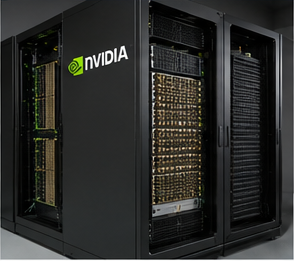
AI server rack representing GPU compute demand

compute demand

demand signal
turn demand into a site search
02

Real estate becomes a power platform

Plain English: The parcel matters because it can host infrastructure, not just because it has acreage.

Inputs

  • Land control
  • Industrial zoning
  • Fiber route
  • Substation distance

What changes

A plain industrial site becomes a scarce AI infrastructure asset if the power path is real.

Test

Who owns it, what is entitled, and how many MW can be delivered without heroic upgrades?

site control

land gate
secure rights and permits
03

Interconnection turns land into capacity

Plain English: The utility or grid operator studies whether the site can actually receive the requested load.

Inputs

  • Load application
  • Substation study
  • Feeder route
  • Upgrade cost

What changes

The story moves from "we have land" to "we have a credible power delivery path."

Test

What power is available now, what is expandable, and what date can be contracted?
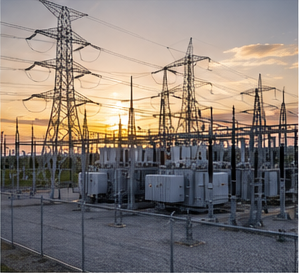
Grid and substation infrastructure

grid access

grid path
fuel supports the generation stack
04

Gas becomes dispatchable power

Plain English: Natural gas can feed power plants or dedicated generation that supports the data center load.

Inputs

  • Gas production
  • Pipelines or LNG
  • Gas turbines
  • Power contracts

What changes

Fuel is converted into electricity that can run continuously or fill gaps when renewables are intermittent.

Test

Is the gas supply firm, permitted, priced, and acceptable under the buyer's carbon requirements?

gas to electrons

fuel path
oil mainly protects uptime
05

Oil supports backup and logistics

Plain English: Oil is rarely the main power source, but diesel backup and fuel logistics protect uptime.

Inputs

  • Diesel gensets
  • Fuel storage
  • Refill contracts
  • Testing schedule

What changes

The site can ride through grid outages long enough to avoid compute downtime or data loss.

Test

How many hours of backup exist, and can fuel be delivered during a regional disruption?

backup fuel

resilience
condition power inside the campus
06

Electrical equipment makes power usable

Plain English: Transformers, switchgear, UPS systems, PDUs, and busbars move power safely into the racks.

Inputs

  • Transformers
  • Switchgear
  • UPS and batteries
  • Rack distribution

What changes

Bulk electricity becomes stable, protected facility power that expensive GPUs can trust.

Test

Are long-lead components ordered, redundant, certified, and sized for AI rack density?
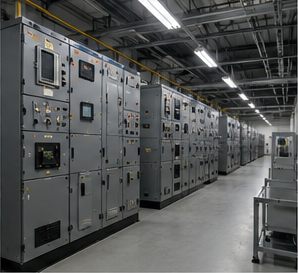
Electrical power train in a data center

power train

delivery
cool the load
07

Cooling converts electricity into usable compute conditions

Plain English: AI racks turn electricity into heat, so cooling is part of the energy system.

Inputs

  • Liquid cooling
  • Chillers
  • Pumps
  • Heat rejection

What changes

The facility can keep dense racks inside thermal limits instead of throttling or shutting down.

Test

Can the site support water, heat rejection, and high-density liquid cooling at scale?
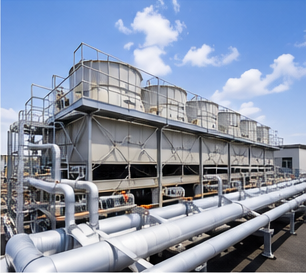
Liquid cooling hardware for dense AI racks

thermal system

cooling
final conversion into AI output
08

GPU clusters turn power into AI services

Plain English: The final asset is not the building. It is reliable, contracted compute capacity.

Inputs

  • GPU racks
  • Networking
  • Storage
  • Buyer contracts

What changes

Land, fuel, grid rights, and electrical systems become the operating base for AI revenue.

Test

Can the operator sell dependable GPU hours with the power, cooling, and uptime buyers require?
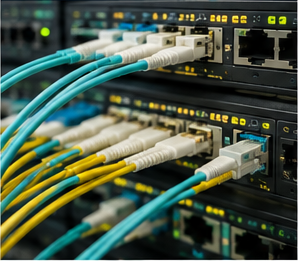
Fiber and network infrastructure connected to compute

AI capacity

compute

The simple version

AI turns real estate into energy infrastructure, then turns energy infrastructure into contracted compute.

Archetype verdicts

Taiwan dense urban inference

Status: strategically valuable but power-constrained. Binding constraint is grid deliverability, water/cooling margin, and geopolitical confidence. Verdict: bankable only with hard utility evidence and supplier-backed schedule.

Arizona solar corridor

Status: land and renewable story are strong, but water and interconnection queue risk dominate. Verdict: viable when paired with firming, liquid cooling design, and credible water rights.

Texas behind-the-meter gas

Status: speed and energy economics can work. Binding constraints are merchant exposure, emissions compliance, and generator/transformer procurement. Verdict: attractive if offtake quality and grid export rules are solved.

300MW hyperscale campus

Status: institutionally legible but schedule-heavy. Binding constraint is procurement sequencing across transformers, switchgear, cooling, HBM, substrates, ferrites, and EPC labor. Verdict: financeable only as staged energization.